When designing a printed circuit board (PCB), selecting the right Copper Clad Laminate (CCL) is a critical step that can significantly impact both the performance and durability of the final product. CCLs are the foundation of any PCB, providing both the conductive layer (copper foil) and the insulating substrate (laminate).
1. Understand the End-Use Requirements
The primary function of the PCB should always guide the choice of CCL. Different applications have specific demands on the electrical, mechanical, and thermal properties of the PCB. For example:
Consumer Electronics: For products like smartphones or laptops, a cost-effective and high-performance CCL like FR4 (standard fiberglass-reinforced epoxy laminate) is typically sufficient.
Automotive: For PCBs in automotive applications, especially in high-temperature environments, a high Tg (glass transition temperature) CCL is recommended to ensure stability and reliability under varying thermal conditions.
Military and Aerospace: These applications often demand specialized CCLs, such as those with high-frequency capabilities or specific flame-retardant properties, to withstand harsh environmental conditions.
2. Material Selection and Laminate Properties
The choice of base material for the CCL is one of the most important factors in PCB design. Common laminate materials include:
FR4: This is the most common laminate material due to its balance of performance and cost. It has good dielectric properties and moderate heat resistance, making it suitable for a wide range of applications.
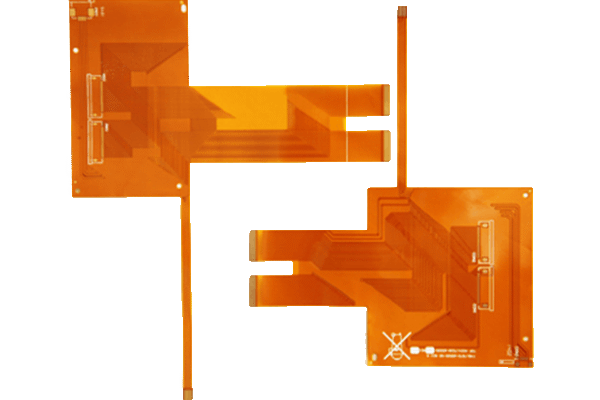
Polyimide: For flexible PCBs, polyimide is often used because of its superior mechanical properties, high-temperature resistance, and flexibility.
Ceramic: Used in high-performance applications where high thermal conductivity and electrical performance are needed.
It’s crucial to understand the dielectric constant (Dk) and dissipation factor (Df) of the laminate material. For high-frequency designs, such as RF or high-speed digital circuits, the material’s Dk should be kept as low as possible to avoid signal degradation.
3. Glass Transition Temperature (Tg)
The Tg of a laminate material represents the temperature at which the material transitions from a rigid state to a more flexible state. A higher Tg indicates that the material can withstand higher operational temperatures without experiencing deformation. This is particularly important for applications that involve high-power electronics or environments with extreme temperatures.
For general-purpose applications, a Tg of around 130-150°C is often sufficient.
For automotive, aerospace, or industrial applications, a higher Tg of 170°C or more may be necessary to ensure reliability under challenging thermal conditions.
4. Copper Foil Thickness
The thickness of the copper foil in the CCL will determine the current-carrying capacity and the overall impedance characteristics of the PCB. Standard copper thicknesses range from 1 oz/ft² to 3 oz/ft², with higher thicknesses (up to 10 oz/ft² or more) used for power electronics or high-current applications.
For general-purpose circuits, 1 oz/ft² of copper is common.
For power circuits or high-frequency designs, thicker copper layers may be required to handle the increased current and reduce signal loss.
When selecting the copper foil thickness, consider both the maximum current that will flow through the traces and the thermal characteristics of the design.
5. Environmental Considerations
The environmental impact and long-term reliability of the PCB are increasingly important considerations. Look for CCLs that meet international standards for environmental sustainability, such as RoHS (Restriction of Hazardous Substances) compliance, which limits the use of toxic materials in electronic products.
Additionally, consider whether the CCL material has been tested for resistance to moisture absorption, chemical exposure, and other harsh environmental factors. This is especially critical for PCBs used in outdoor, industrial, or automotive applications.
6. Cost and Availability
While performance and reliability are paramount, cost constraints are also an important consideration when selecting CCLs. Higher-performance materials, such as those with higher Tg or advanced laminates like polyimide or ceramic, come at a higher price. However, selecting a CCL that offers the right balance of performance and cost will ultimately result in a more efficient and economical manufacturing process.
Also, ensure that the selected CCL is readily available from suppliers. Supply chain issues can delay production, so choosing a widely used and well-stocked material is crucial for timely delivery and cost control.
7. Thermal Management
Thermal management is one of the key concerns when selecting CCL for high-power or high-density applications. The thermal conductivity of the CCL material directly affects how efficiently heat can be dissipated from the board. For applications where heat dissipation is crucial—such as in power electronics, automotive, or high-performance computing—CCLs with higher thermal conductivity should be selected.
Aluminum-based CCL: Used for applications that require efficient heat dissipation, such as LED circuits or power electronics. These materials have a high thermal conductivity compared to traditional FR4 laminates.
8. Compliance with Industry Standards
Before finalizing the selection of CCL, ensure that the material complies with the relevant industry standards for PCB manufacturing. For example, compliance with standards such as IPC-2221 (for PCB design) and IPC-6012 (for PCB performance) ensures that the CCL and resulting PCB meet the necessary requirements for electrical and mechanical reliability.
Conclusion
Choosing the right Copper Clad Laminate is a crucial decision in PCB design, with significant impacts on both the performance and cost of the final product. Understanding the specific requirements of your application—such as electrical properties, thermal performance, and environmental factors—will help guide the selection process. By taking these precautions into account, you can ensure that the selected CCL will meet both the functional and reliability needs of your design while staying within budget and schedule constraints.
When in doubt, always consult with your material supplier or PCB manufacturer to ensure that the chosen CCL will meet all necessary specifications and performance requirements.