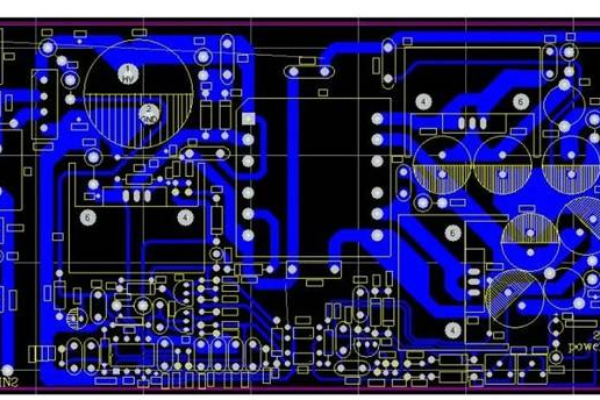
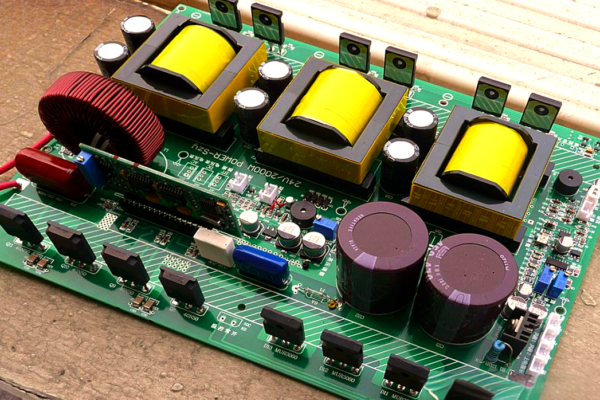
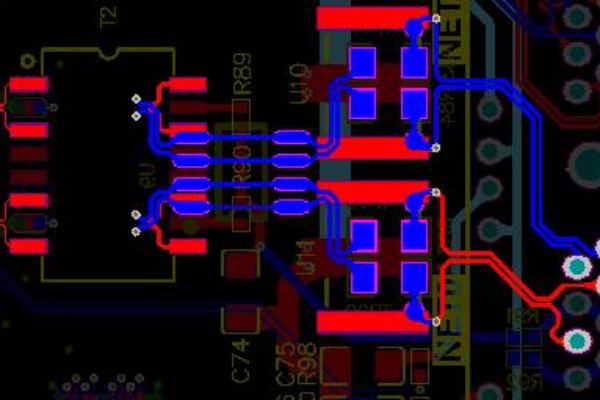
An excellent hardware engineer, in addition to having solid basic theoretical knowledge, proficiently mastering hardware schematic design techniques, hardware PCB layout design, and hardware debugging, must also possess rapid learning ability, an understanding of communication protocols and standards, circuit design capability, communication and overall control capability, component selection capability, procurement capability, and so on. They even need to know a little about everything from engineering theory and economic trends at the high end to history, politics, culture, science, and technology at the low end…
Based on work experience, we divide hardware development into the following levels. Most people are at Level Three. See which level you belong to.

Table of Contents
Level Zero:
1. Awareness of fundamental technologies;
2. Analog electronics, digital electronics, circuit analysis, signals and systems, and the fundamentals of electromagnetism in physics;
3. Basic mastery of soldering, circuit design software, oscilloscopes, multimeters, and other basic instruments and meters.
Level One:
1. Energy is mainly spent learning schematic tools and PCB tools;
2. Mainly concerned with whether PCB traces can be routed through; relatively nervous and afraid of wrong layout;
3. No time or energy to focus on circuit principles; mainly copies other people’s circuits and prefers books with example circuits;
4. For PCBs, mainly concerned with whether traces can be connected; has no clear concept of signal integrity or trace length and width. Able to handle low-speed circuit design.
Level Two:
1. Already proficient and comfortable with schematic and PCB tools;
2. Begins to pay attention to circuit principles and how device specifications affect circuit operation;
3. Allocates energy to studying datasheets;
4. Values the differences between different categories of discrete devices; able to think independently when selecting components, rather than using whatever circuit can be copied.
Level Three:
Able to propose project designs and solve problems. Proficient in high-speed digital circuits, RF, FPGA, large-scale circuit design (such as X86, etc.), EMC, and other skills.
1. Able to control circuit risks; issues that may affect functionality are considered during schematic and component selection, rather than being solved only when debugging;
2. When designing circuits, considers tolerance design and device non-idealities, such as temperature variation, precision effects, and voltage effects on specifications;
3. In PCB design, beyond trace connectivity, also considers the effects of high speed, RF, and high current on circuit performance. Able to analyze signal timing and impedance continuity;
4. Able to use analysis or simulation tools to solve signal integrity problems.
Level Four:
Able to design stable and reliable products, products can meet industry standards, and products that support mass shipment.
1. Able to consider dimensions beyond functionality: low cost, ease of processing, easy component procurement, ease of testing, ease of online problem diagnosis, resistance to damage during transportation or vibration, ease of repair, ease of maintenance;
2. The designed products can meet high-reliability requirements;
3. Capable of innovation—able to create innovative products based on existing circuits or solutions; or achieve technical advancement in a certain technical field, with products that have technological discontinuities. Able to apply for patents with practical value and effectively protect the innovative points of one’s own products;
4. Able to design products that support mass shipment;
5. Able to manage the development and operation of ultra-large-scale hardware systems.
Level Five:
Able to formulate standards, specifications, patents, etc., to become an industry benchmark, or possess innovation.
1. Possesses industry thinking; before a product is initiated, can consider the needs of application scenarios and macroscopically consider market trends and currents.
2. Able to predict the entire life cycle of a product, and comprehensively consider product design, cost control, product positioning, and full-cycle human resource allocation from technical realization, project management, supply chain, and market demand.
3. Able to connect upstream and downstream, and control/influence suppliers and channel partners.
Level Six:
Possesses social influence and impacts the industry ecosystem.
1. Possesses high-quality product delivery capability, a complete knowledge system, and complete delivery capability and experience for relatively complex hardware products; comprehensively grasps the hardware R&D process; has in-depth understanding and practical experience in reliability, maintainability, testability, and supply capability;
2. Problem-tackling capability, a rigorous attitude toward problems, problem analysis ability, and strong logical thinking;
3. Solid foundation in mathematics, physics, and other basic theories; able to analyze problems from theory rather than empiricism;
4. Industry vision and global vision; able to quickly grasp the patterns of industry dynamics, new chips, new technologies, and new fields, with keen sensitivity.
Conclusion
Hardware engineers play a very important role in the entire R&D team. They not only need to obtain requirements for their own design through external communication, then summarize and analyze them into specific hardware implementations, but also contact numerous chip and solution suppliers to select suitable solutions.
After the schematic is completed, they need to organize personnel for collaborative review and inspection, and work with CAD engineers to complete the design. At the same time, they must also prepare the BOM list, begin procurement and material preparation, and contact processing manufacturers to complete the PCB assembly process.