Table of Contents
What is a Rigid PCB?
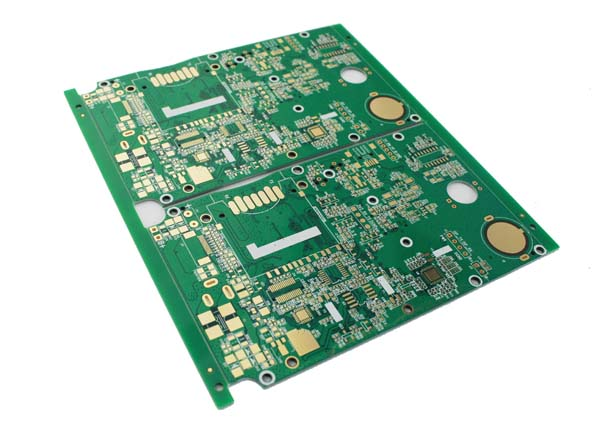
Rigid PCB refers to a type of electronic component that uses a hard substrate, forms circuit graphics on the substrate through printing or chemical methods, and processes them through metallization and perforation. It cannot bend or fold like a flexible PCB, so it has certain limitations in use, but at the same time, it is widely used in various electronic devices that require fixed and stable circuit connections due to its high stability and durability.
Advantages of Rigid PCB
- Low cost: Rigid circuit boards are made of hard materials, which have lower production costs and are easy to process, resulting in lower overall costs.
- High stability: Due to the rigidity of its materials and the stability of its structure, rigid circuit boards can maintain good electrical performance even under high temperatures and frequent losses, making them suitable for applications that require high-speed data transmission and high-power loads.
- Easy to manufacture and maintain: The manufacturing process of rigid circuit boards is relatively mature, and maintenance and replacement are also relatively convenient.
Disadvantages of Rigid PCB
- Lack of flexibility: Due to being made of hard materials, rigid circuit boards do not have flexibility in bending, folding, etc., and cannot adapt to complex bending and folding environments.
- Poor environmental adaptability: Rigid circuit boards have poor adaptability to the environment and are easily affected by impact or vibration, which may lead to problems such as circuit breakers.
- Heavy weight: Compared to flexible circuit boards, rigid circuit boards are usually heavier, which is not conducive to lightweight design.
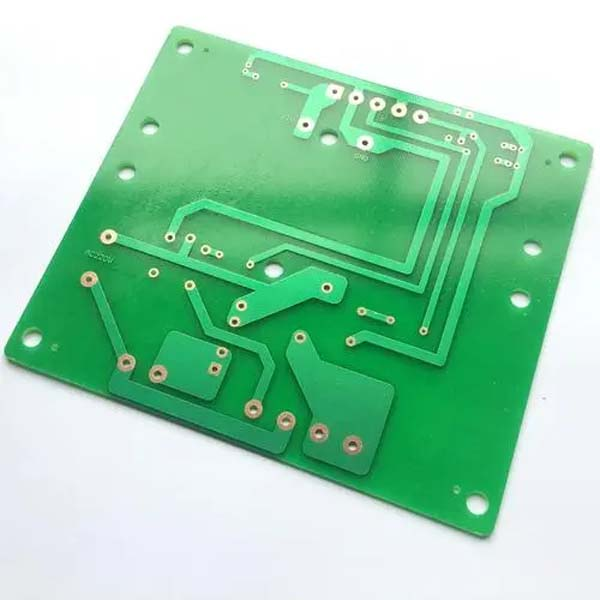
Application of rigid PCB
Rigid circuit boards are widely used in various fields, including communication, computer, industrial control, medical instruments, and more.
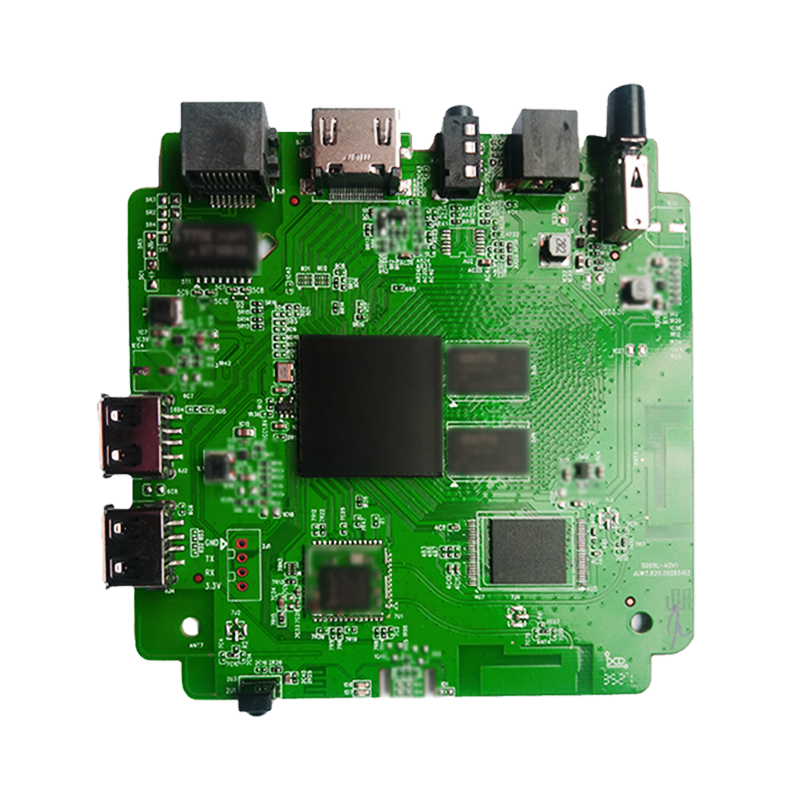
(1) Communication field
In the field of communication, rigid circuit boards are widely used in portable communication devices such as mobile phones, GPS navigation, walkie talkies, etc. These devices require complex electronic circuits to be implemented in small spaces, and the high-precision and high-density characteristics of rigid circuit boards can meet this demand. In addition, large communication equipment such as base stations and satellite devices also require the use of rigid circuit boards, which are ideal choices due to their high reliability and stability.
(2) Computer field
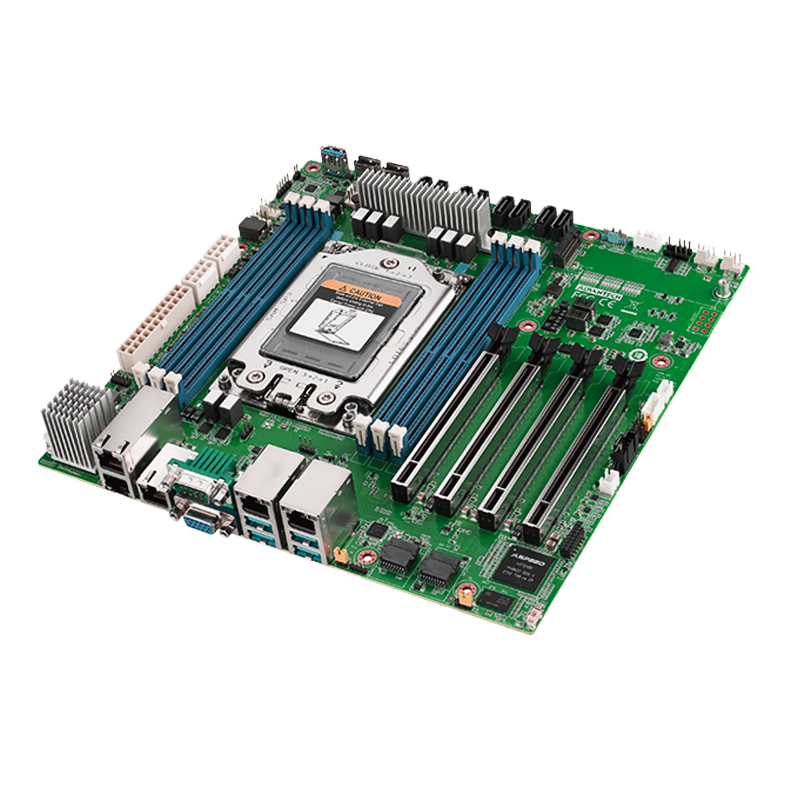
In the field of computer science, rigid circuit boards are mainly used for core components such as motherboards and expansion cards. The rigid circuit board on the motherboard needs to implement various complex circuits to provide a stable and reliable working environment for the computer. The rigid circuit board in the expansion card needs to meet the requirements of high-speed signal transmission and high frequency.
(3) Industrial control field
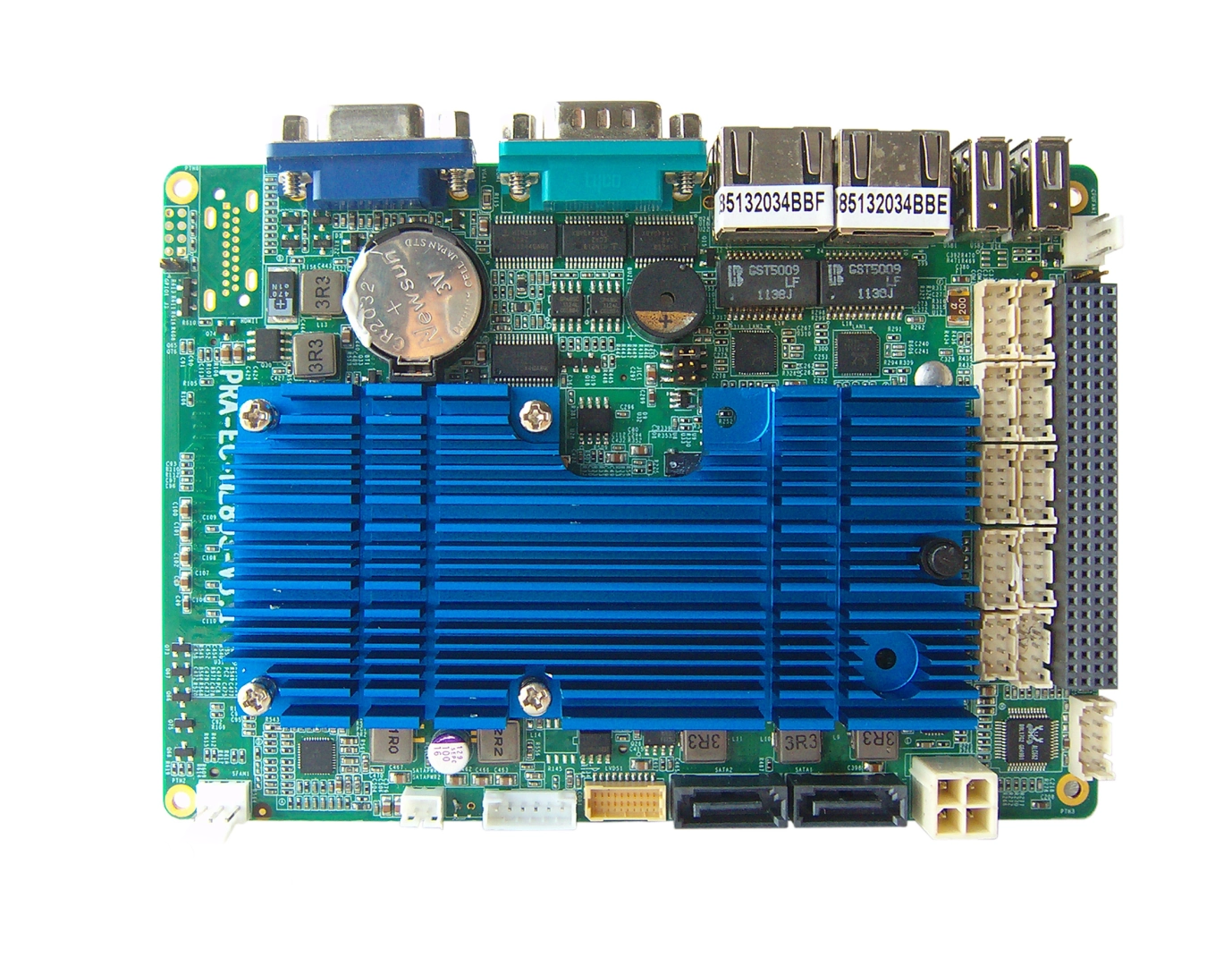
Various controllers, sensors, and instruments in the field of industrial control require the use of rigid circuit boards. These devices need to achieve precise control and data acquisition functions, and have high reliability. The high precision and reliability of rigid circuit boards can meet the requirements of these devices in high stability working environments.
(4) Medical equipment field
In the field of medical instruments, rigid circuit boards are used for high-precision data acquisition and control. Medical equipment requires extremely high precision in data acquisition and control, and rigid circuit boards have become an important component of electronic circuits in medical equipment due to their high stability and reliability.

(5) Other fields PCB
In addition, rigid circuit boards are widely used in consumer electronics products such as mobile phones, tablets, digital cameras, as well as automotive electronic systems, safety control systems, and other fields. With the development of artificial intelligence and IoT technology, the application of rigid circuit boards in smart devices and industrial automation equipment is becoming increasingly widespread.
Method for manufacturing rigid circuit boards
The manufacturing process of rigid circuit boards includes multiple steps such as substrate preparation, circuit pattern production, chemical treatment, metallization, drilling, surface treatment, printed copper coating, outer layer pattern production, and cutting. Among them, substrate preparation is the most important part of the entire manufacturing process, and its quality directly affects the performance and stability of the entire circuit board.
The substrate material of rigid circuit boards is usually made of glass fiber reinforced epoxy resin, which has excellent mechanical, heat resistance, and electrical properties; Copper foil is commonly used as the metallization layer because copper has excellent conductivity and weldability.
Manufacturing rigid circuit boards usually requires designing a circuit diagram first, then converting the circuit diagram into a PCB file, and conducting layout design.
Then, using methods such as chemical etching or mechanical processing, the circuit diagram is formed on the copper foil to form the circuit line, followed by drilling, coating solder pads, and other treatments.
Finally, the circuit board is assembled, electronic components are implanted, and soldering is performed.
Precautions for rigid circuit boards
- Rigid circuit boards require specific dimensions, so careful measurement and fabrication are necessary.
- Rigid circuit boards usually require mechanical fixation with other components, so fixing and installation issues need to be considered during design.
- Rigid circuit boards support high-density circuits, therefore requiring precise PCB design.
- Rigid circuit boards usually require high temperature resistance, corrosion resistance, and other properties, so attention should be paid to material selection and manufacturing.
The quality of rigid circuit boards has a significant impact on the performance and reliability of electronic products, therefore strict quality control and testing are required.
Why Choose SysPCB as Your rigid PCB Partner?
SysPCB has over 10 years of rich experience in producing rigid PCBs and is trustworthy! Here are the reasons for choosing SysPCB:
Perfect Customer Service
We believe that the key to a successful partnership is open communication and collaboration. We treat our customers as our partners whom we need to align our goals with. We prioritize your needs and requests in delivering our commitment to you.
Fast Delivery
We have good credibility in meeting delivery requirements. We offer fast turnaround times and expedited options. We stay true to our delivery commitments as it is very important for our customers.
No MOQ
SysPCB does not have a minimum order quantity (MOQ) requirement, so you can confidently partner with us. As an Rigid PCB manufacturer, we are committed to building long-term relationships based on mutual trust and benefit.