Table of Contents
What is Microwave PCB& RF PCB?
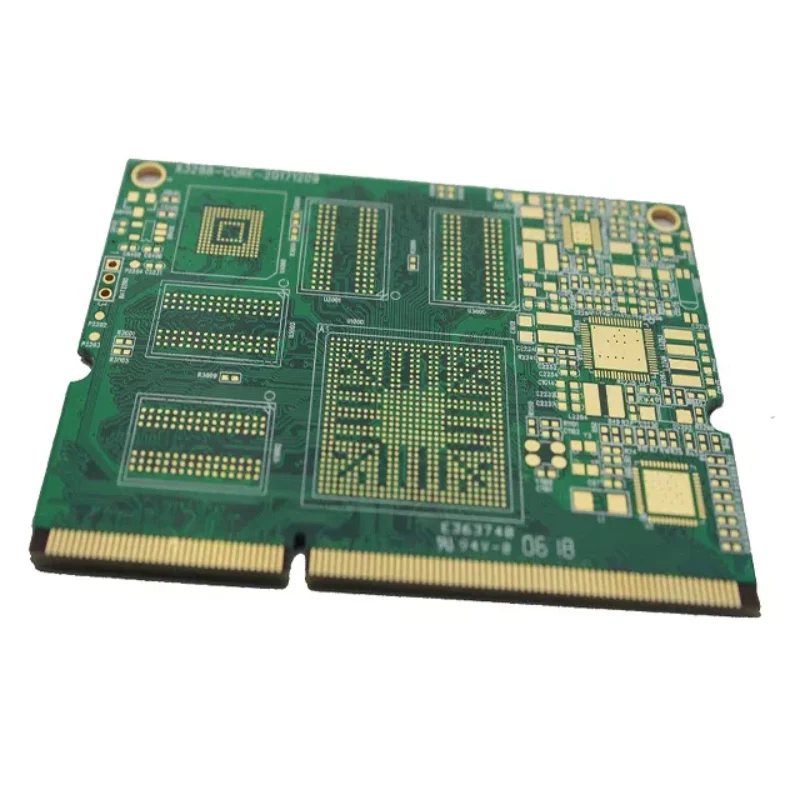
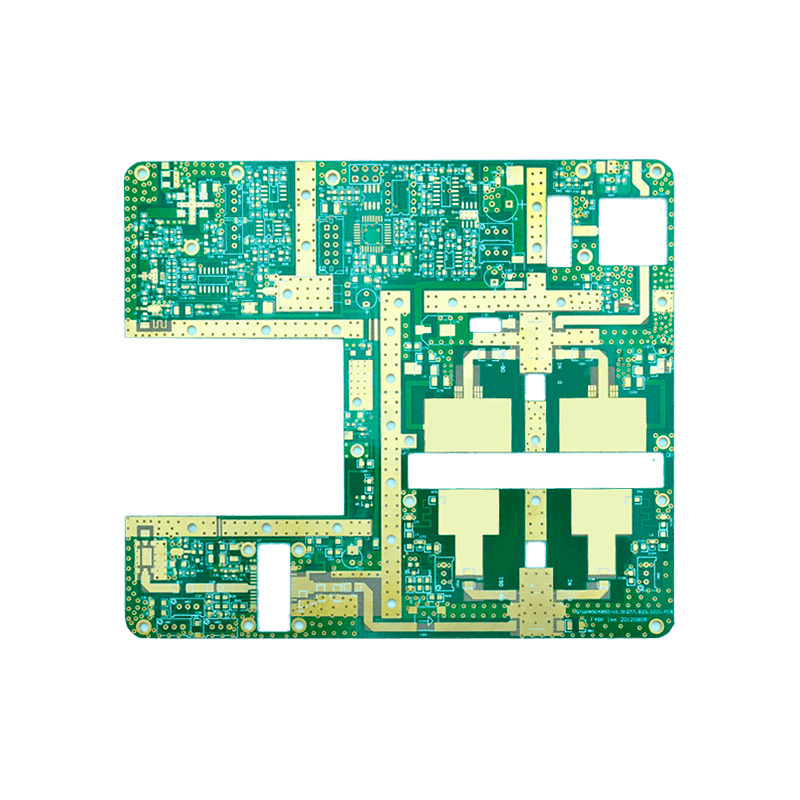
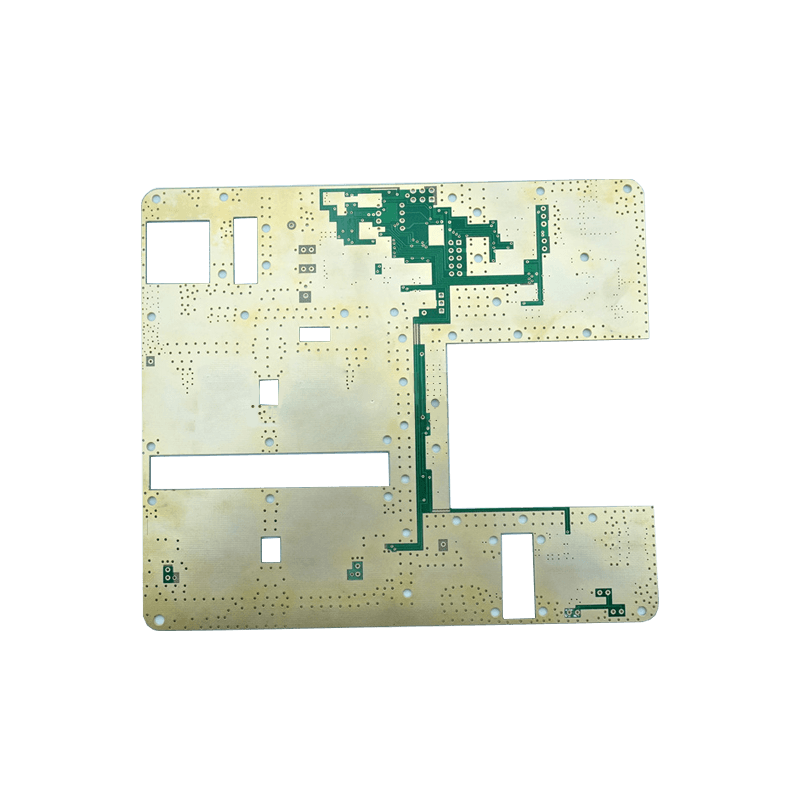
◤ RF PCB ◢ The Microwave PCB& RF PCB operates in the high-frequency band above 100MHz, making it particularly suitable for applications that require receiving and transmitting wireless signals, such as mobile communication, radar systems, etc.

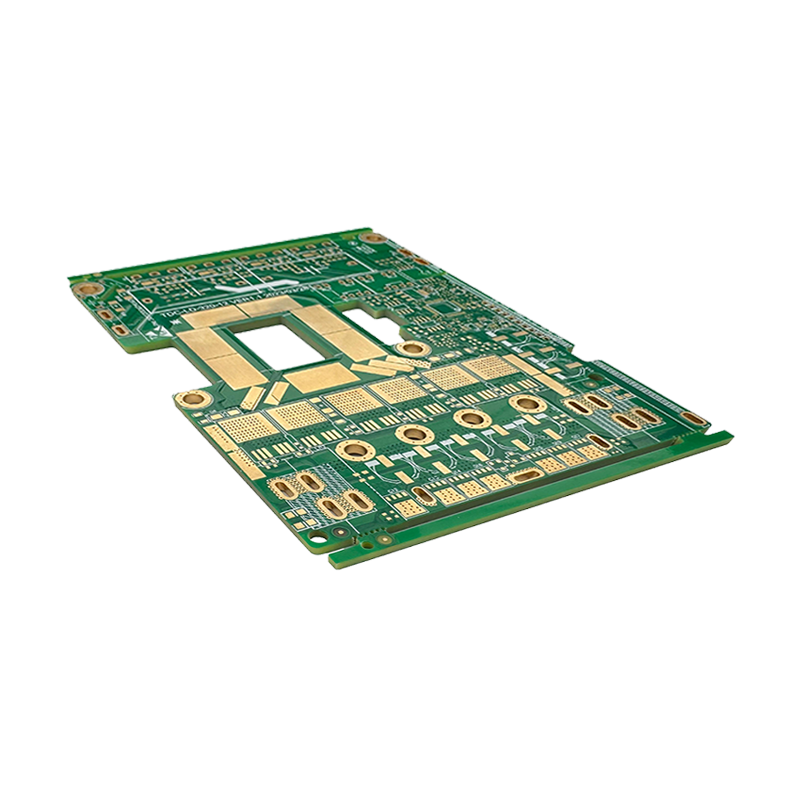
◤ Microwave PCB ◢ Microwave PCB refers to a circuit board that operates in the microwave frequency band (greater than 2GHz) and is commonly used in high-end fields such as radar and satellite communication equipment.
RF PCB is a high-frequency microwave RF PCB board made of polytetrafluoroethylene (PTFE PCB), ceramic filled fluoropolymers, or ceramic filled hydrocarbon thermosetting materials, with improved dielectric properties. This material has a low dielectric constant of 2.0-3.8, low loss factor, and excellent low loss characteristics. It also has good performance, high glass transition temperature, extremely low hydrophilicity, and excellent thermal stability The expansion coefficient of PTFE PCB material is similar to that of copper, which gives the material excellent dimensional stability.
Principle of Microwave PCB& RF PCB
1. Signal transmission
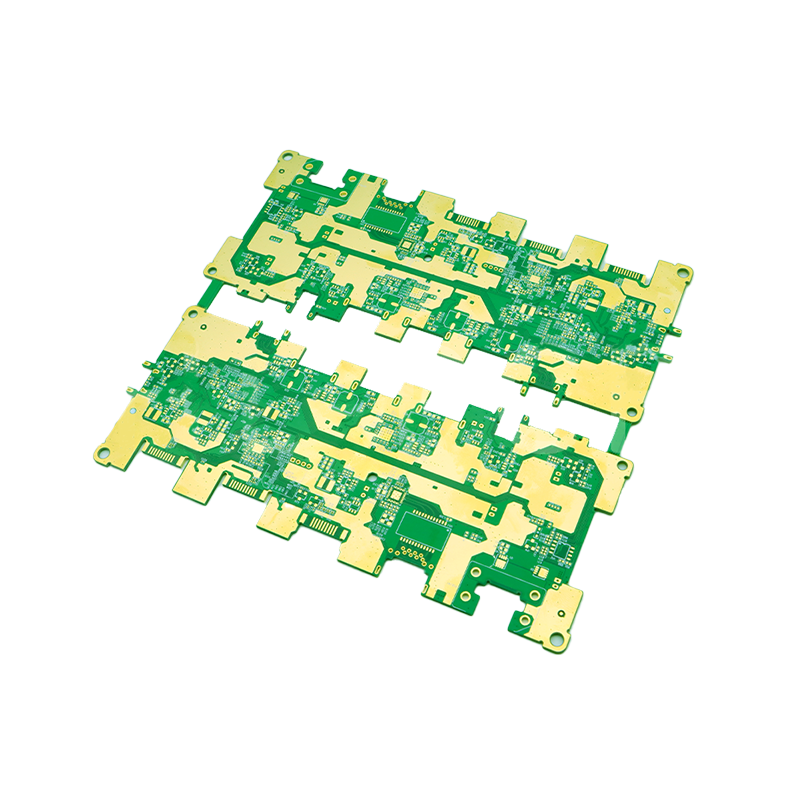
The main function of RF and Microwave PCBs is to efficiently transmit high-frequency signals. Due to the susceptibility of high-frequency signals to interference and loss during transmission, these circuit boards typically use materials with low loss and low dielectric constant, such as high-performance materials like PTFE and Rogers, to reduce energy loss and delay during signal transmission.
2. Layout and wiring
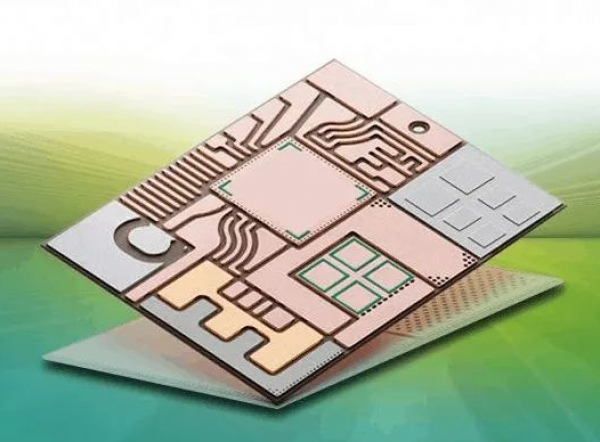
When designing high-frequency microwave circuit boards, it is necessary to strictly control the line width, line spacing, number and position of vias, and use specific transmission line technologies (such as microstrip lines and strip lines) to control impedance matching and reduce reflection and distortion.
3. Grounding and shielding
Good grounding design and electromagnetic shielding are key to ensuring the purity of high-frequency signals. High frequency microwave circuit boards usually adopt measures such as multi-layer grounding layers and grounding shielding covers to isolate external interference and provide signal return paths, ensuring signal quality.

Characteristics of Microwave PCB& RF PCB
(1) Material selection
RF and Microwave PCBs typically use low loss, low dielectric constant materials such as PTFE and Rogers, high-performance materials that can effectively reduce energy loss and delay during signal transmission, ensuring signal integrity.
(2) Design requirements
When designing these circuit boards, special attention should be paid to the mutual influence (crosstalk) and electromagnetic radiation between signal lines. Therefore, the design needs to strictly control the line width, line spacing, number and position of vias, and use specific transmission line technologies to control impedance matching and reduce reflection and distortion.
(3) Application scenarios
RF PCBs are widely used in wireless communication equipment, radar devices, etc; Microwave PCB is used in high-end fields such as radar, satellite communication, and high-speed data transmission.
Advantages of Microwave PCB& RF PCB:
Excellent high-frequency transmission characteristics
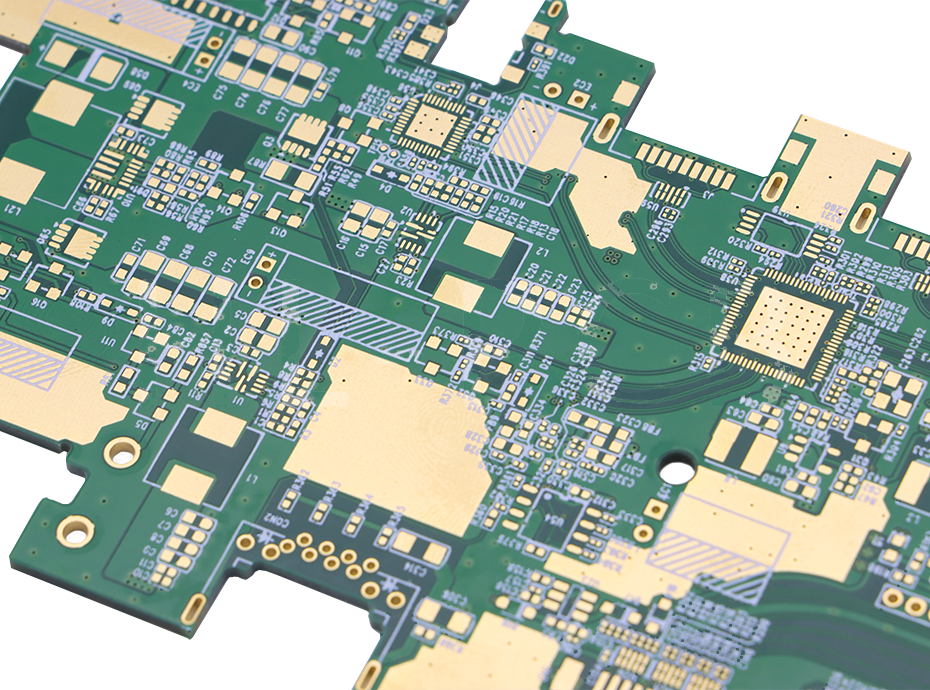
RF and microwave PCBs perform well in high-frequency signal transmission, with low loss and low delay characteristics, suitable for high-frequency applications.
Good stability
These PCBs have stable performance in high temperature and high humidity environments, ensuring reliable signal transmission.
Good impedance matching:
By using low CTE materials and precise manufacturing processes, RF and microwave PCBs can achieve good impedance matching, reducing signal reflection and loss.
Strong shielding ability:
Microwave PCBs have strong RF shielding ability, which can effectively shield external interference and ensure the accuracy and stability of signal transmission.
Disadvantages of Microwave PCB & RF PCB:
High cost
Due to the use of special materials and complex manufacturing processes, the cost of RF and microwave PCBs is relatively high.
High processing difficulty
The processing of high-frequency boards is complex and requires high technological requirements, which increases production difficulty and cost.
The application scenarios of Microwave PCB & RF PCB include:
Wireless communication
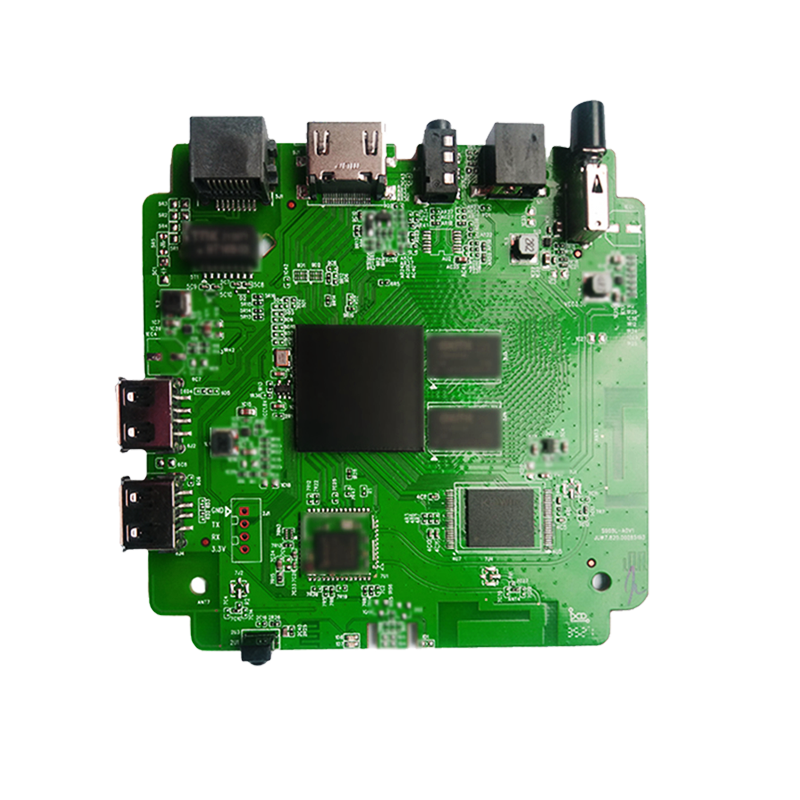
Widely used in various wireless communication devices, such as mobile phones, base stations, etc., to provide stable signal transmission.
Satellite communication:
Used for signal transmission and processing in satellite communication systems to ensure stable transmission of signals in space.
Automotive radar:
Used in automotive radar systems, it provides high-precision ranging and speed measurement functions, especially in autonomous driving and intelligent transportation systems.
Medical equipment:
Used for signal processing of medical equipment to ensure its accuracy and stability.
Here are some common questions about RF PCB design guidelines and material selection:
Q1: What is the most important RF PCB design criterion?
The most critical considerations are controlling impedance routing, minimizing routing length, appropriate grounding techniques, layer stacking strategies, simulation/analysis, and selecting the correct microwave materials.
Q2: How to choose the material for RF PCB?
The selection of materials is based on the application of dielectric constant, loss tangent, frequency stability, thermal performance, and cost requirements. Important parameters include Dk tolerance, Df, Tg, and moisture absorption.
Q3: What manufacturing process is used for RF PCB?
The sequential lamination process of automatic impedance control and testing ensures optimal impedance tolerance and reliability. Maintaining process control is crucial.
Q4: What tests are required to verify the RF PCB?
The testing includes impedance, high tank testing, time-domain reflection, VSWR measurement, thermal stress testing, and microscopic section analysis to confirm the integrity of the traces.
Q5: What issues should be considered in the interface design of RF PCBs?
Carefully design the interfaces between circuit board layers, components, connectors, and external systems to ensure smooth transmission of RF signals. Simulation helps identify potential issues.
Why choose SysPCB as the manufacturer of Microwave PCB& RF PCB?
Microwave PCB manufacturers and RF PCB suppliers not only need to ensure high-quality products but also consider factors like cost, service cycle, and special customer requirements. If you’re looking to save on costs, why not consider microwave PCB and RF PCB manufacturing services from China?
As a microwave PCB and RF PCB manufacturer with over 10 years of experience, SysPCB is a name you can trust. Here’s why:
- Customer-Centric Customization Services
- Comprehensive One-Stop Service
- Outstanding Quality Assurance
- On-Time Delivery Guarantee
- Professional Support Available Anytime
If you have any questions, please feel free to contact us. We look forward to collaborating with you!