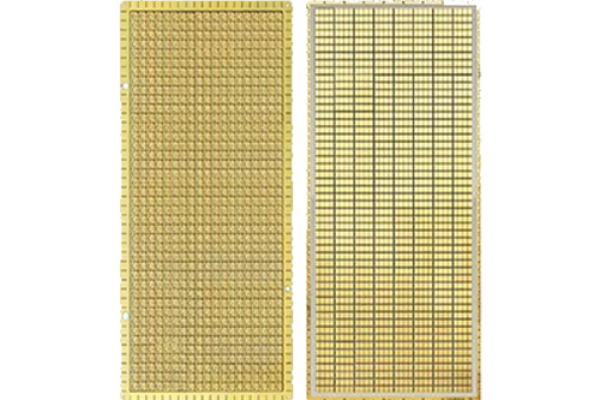
FR4 is one of the most widely used materials in the PCB industry due to its excellent mechanical, electrical, and thermal properties. It serves as the base material for numerous circuit board applications, ranging from consumer electronics to high-performance industrial and automotive systems. Understanding the classification of FR4 circuits helps in selecting the appropriate type for specific applications and performance requirements.
Table of Contents
1. Based on Layer Count
Single-Layer FR4 PCB
Single-layer FR4 PCBs consist of a single conductive layer laminated onto the FR4 substrate. These are commonly used in simple electronic applications, such as LED lighting, power supplies, and low-complexity consumer products.
Double-Layer FR4 PCB
Double-layer PCBs have two copper layers separated by the FR4 core. They allow for more complex circuit designs with better routing flexibility and increased component density. These are widely used in automotive electronics, industrial control systems, and communication devices.
Multilayer FR4 PCB
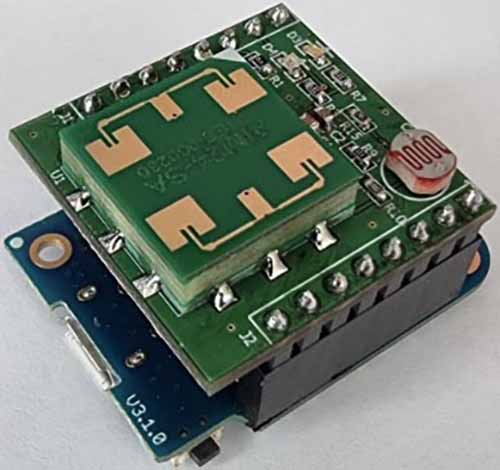
Multilayer PCBs contain multiple layers of copper and dielectric material laminated together. These boards provide enhanced performance, reduced EMI (electromagnetic interference), and better signal integrity. They are essential for high-speed computing, aerospace, and medical electronics.
2. Based on Performance Requirements
Standard FR4 PCB
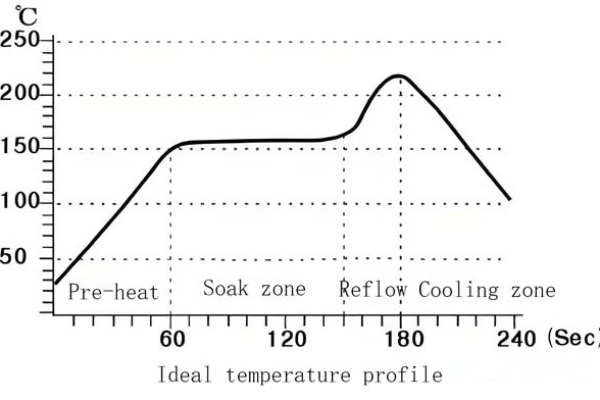
These PCBs use general-purpose FR4 material with a typical glass transition temperature (Tg) of around 130°C–140°C. They are suitable for most consumer and industrial applications where moderate thermal stability is sufficient.
High-Tg FR4 PCB
High-Tg FR4 boards have a glass transition temperature above 170°C, offering better thermal resistance and mechanical stability. They are preferred for high-temperature environments, such as automotive electronics, industrial automation, and power electronics.
FR4 with High-Frequency Properties
Modified FR4 materials are available to support high-frequency applications with lower dielectric loss and improved signal integrity. These PCBs are commonly used in RF (radio frequency) and microwave circuits, as well as in communication infrastructure.
3. Based on Surface Finish and Additional Features
FR4 PCB with HASL or ENIG Finish
Different surface finishes, such as Hot Air Solder Leveling (HASL) and Electroless Nickel Immersion Gold (ENIG), are applied to FR4 PCBs based on solderability, reliability, and environmental considerations. HASL is cost-effective, while ENIG offers better corrosion resistance and is suitable for fine-pitch components.
Rigid-Flex FR4 Circuits
Some FR4-based PCBs are combined with flexible materials to create rigid-flex circuits. These hybrid designs improve mechanical flexibility while maintaining structural integrity, making them ideal for medical devices, aerospace, and wearable electronics.
Heavy Copper FR4 PCB
Heavy copper PCBs use thicker copper layers (2oz or more) for increased current-carrying capacity and thermal dissipation. These are widely used in power electronics and high-current applications.
Conclusion
The classification of FR4 circuits is based on multiple factors, including layer count, performance characteristics, and additional design considerations. Selecting the right type of FR4 PCB is crucial for achieving optimal performance, durability, and cost-effectiveness in different applications. Understanding these classifications helps engineers and designers make informed decisions when developing electronic products.