Table of Contents
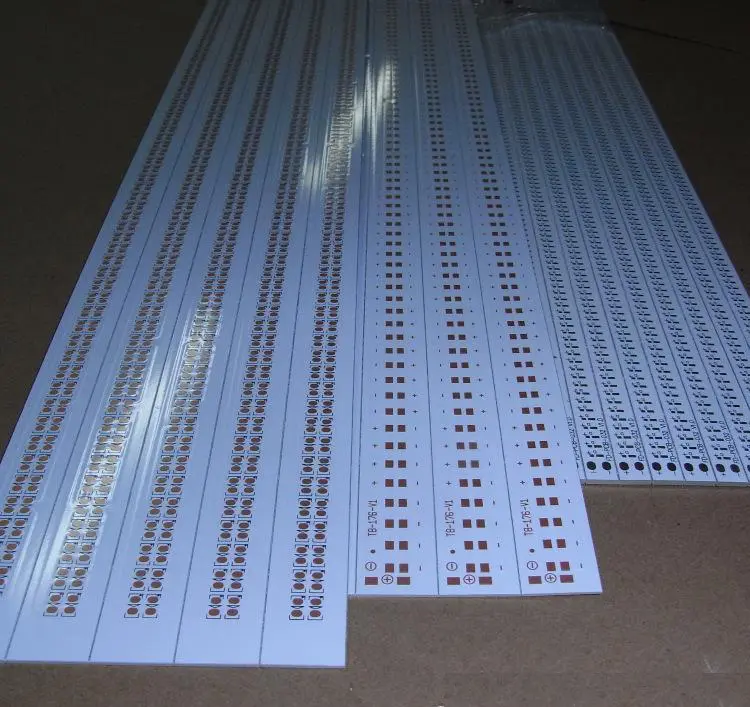
Long PCB for LED lighting
As the core carrier of modern electronic technology, printed circuit boards (PCBs) play an indispensable role in the LED field. The popularization and innovation of LED technology cannot be separated from the key role of PCB in circuit design, heat dissipation management, and signal transmission. This article will explore the core value of PCB in the LED field from three dimensions: application scenarios, technological advantages, and future development prospects.
The diversified application of Long PCB for LED lighting
1. LED lighting system
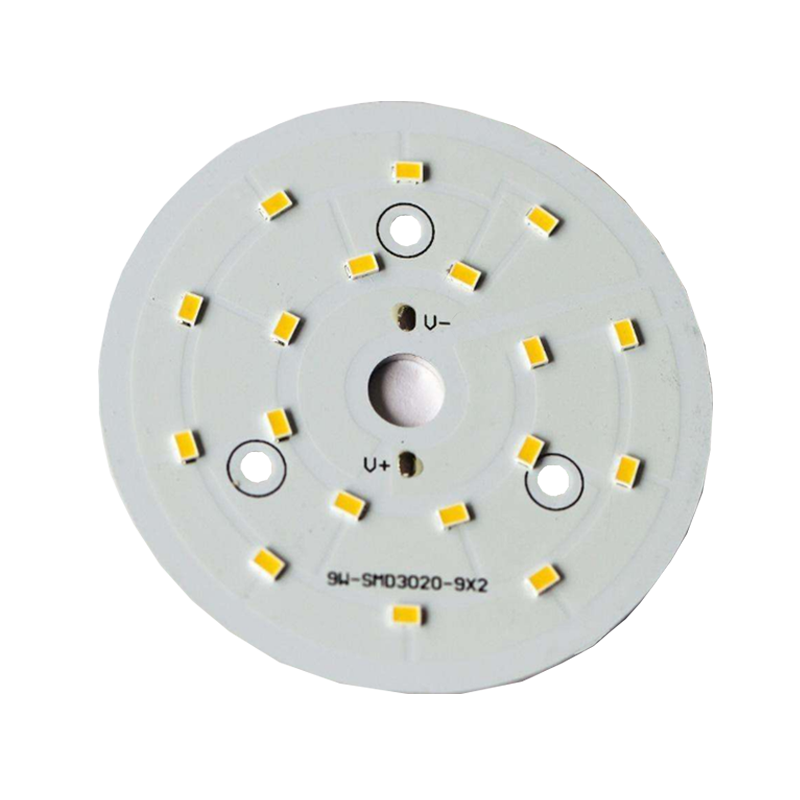
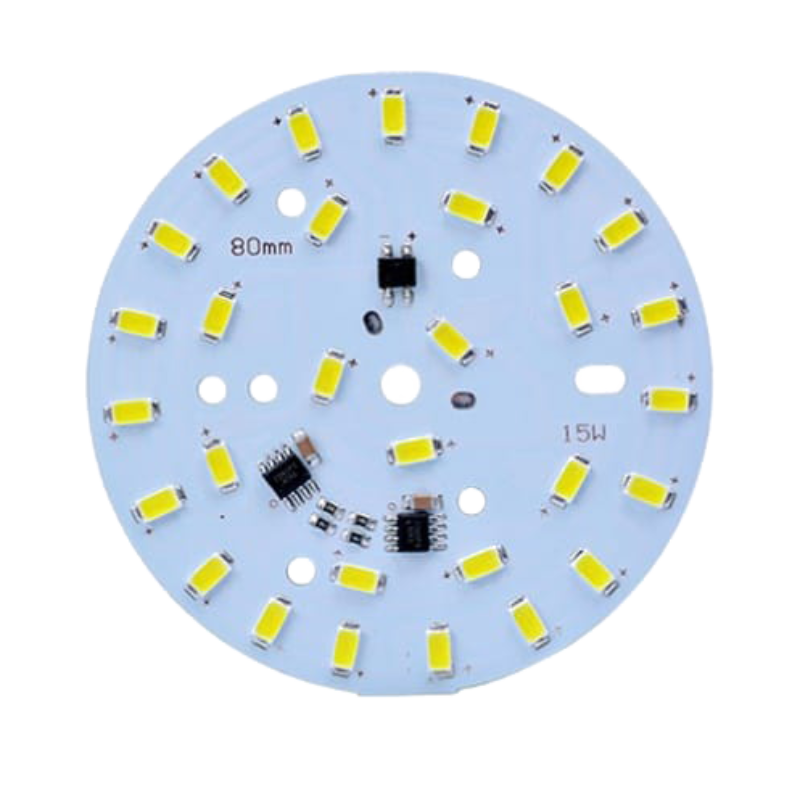
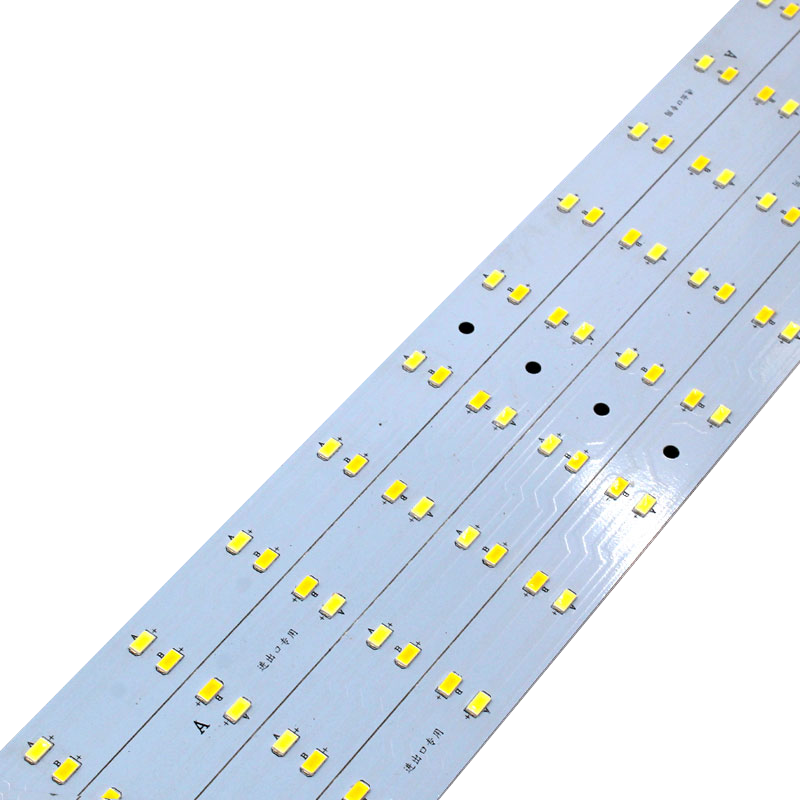
LED lighting fixtures are one of the most widely used areas for PCB applications. In home, commercial, and outdoor lighting, PCBs achieve low energy consumption and high brightness lighting effects through high-density wiring design. For example, LED dimming lights can flexibly adjust color temperature and brightness through PCB control circuits to meet different scene requirements. Compared to traditional incandescent lamps, the lifespan of LED lighting fixtures can be extended to over 50000 hours, with an energy-saving efficiency increase of over 60%.
2. LED display screen
The rise of small pitch LED displays has driven the innovation of PCB in display technology. PCB supports high-resolution pixel arrangement through precise wiring, and is applied in sports events, advertising screens, and conference systems, providing a high refresh rate and low latency visual experience.
3. Automotive Lighting and Electronic Systems
The application of PCB in automotive LED lights (such as daytime running lights and taillights) significantly improves safety and design freedom. For example, the response speed of car LED lights is 0.2 seconds faster than traditional halogen lights, effectively reducing the risk of rear end collisions. In addition, autonomous driving technology relies on PCBs to transmit high-frequency signals from sensors such as radar and cameras, promoting the development of automotive PCBs towards high multilayer boards (8-12 layers).
4. Medical and industrial equipment
The LED surgical light provides shadowless illumination through high-precision PCB, ensuring clear surgical field of view. Medical monitors, biochemical analyzers, and other equipment rely on the high reliability of PCBs to ensure the stability of data acquisition and transmission.
The technological advantages of Long PCB for LED lighting
1. Efficient heat dissipation and stability
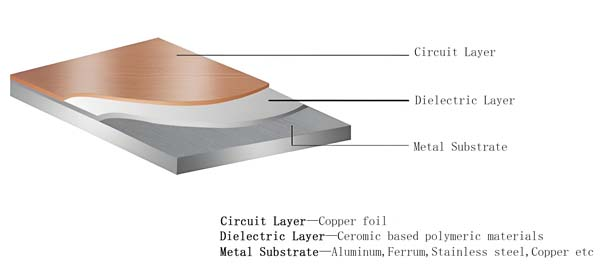
The high temperature generated during the operation of LED chips needs to be quickly conducted through PCB substrates such as aluminum and ceramic substrates. The thermal conductivity of aluminum based PCBs can reach 1-3 W/(m · K), which is more than 10 times higher than traditional FR-4 materials, significantly extending the lifespan of LEDs.
2. Flexible design adaptability
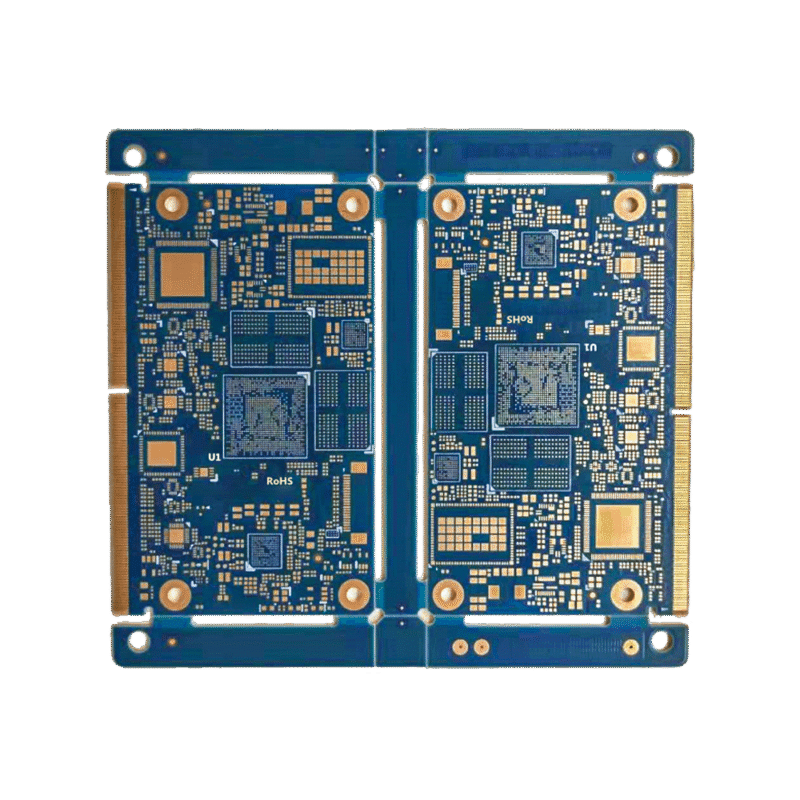
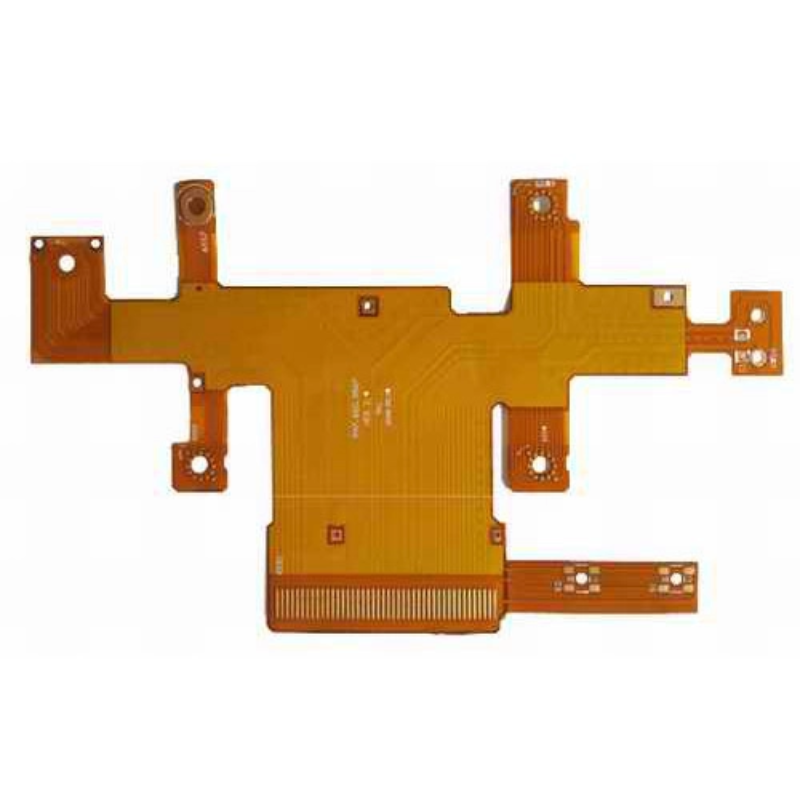
PCB can choose single-sided, double-sided, or multi-layer structure according to requirements. For example, flexible PCB (FPC) can be bent and folded, suitable for curved LED screens of wearable devices; High frequency PCBs meet the high-frequency signal transmission requirements of LED base stations in 5G communication.
3. High integration and miniaturization
HDI (High Density Interconnect) technology reduces the width of PCB circuits to below 50 μ m, supporting dense arrangement of micro LED modules. For example, the Mini LED backlight module achieves local dimming through HDI PCB, improving display contrast and reducing energy consumption.
The Development Prospects of Long PCB for LED lighting
1. Technological innovation drives market growth
The breakthrough of MicroLED technology will reshape the display industry landscape. MicroLED chips with a size less than 50 μ m require ultra precision PCBs for large-scale transfer. The global MicroLED market size is expected to reach $1.4 billion by 2024, and its development will drive the evolution of PCBs towards higher precision and thinning.
2. Incremental demand for new energy vehicles and smart homes
The trend of electrification and intelligence of new energy vehicles has led to a surge in demand for PCBs for electric vehicles. The value of single bike PCBs has increased from $60 for traditional cars to $200-300 for electric vehicles, with an annual growth rate of over 15% for the demand for high-frequency PCBs in ADAS systems. In smart homes, the integration of LED ambient lighting and IoT devices further expands the application scenarios of PCBs.
3. Material and process upgrades
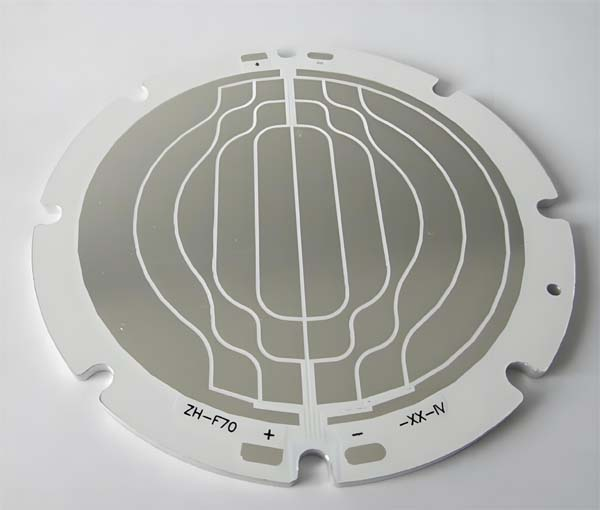
Silicon carbide (SiC) substrate material is replacing traditional substrates in the high-end LED field due to its high thermal conductivity and high voltage resistance. In addition, intelligent manufacturing technologies such as programmable spray painting robots will improve PCB production efficiency and reduce LED module costs.
4. Global market expansion
As the world’s largest PCB production base, China’s output value is expected to exceed 55% by 2025. With the increasing demand for 5G base stations, data centers, and AI computing power, the high-frequency high-speed PCB market will expand at an average annual rate of 8%, providing a broader application platform for LED technology.
SysPCB:系统PCB:A professional Long PCB for LED lighting manufacturer专业无卤PCB制造商
We prioritize our customers, offering exceptional support and prompt responses to inquiries at any time. Here’s why SysPCB is the ideal choice for your Long PCB for LED lighting needs:
Extensive Expertise: Over a decade of experience in halogen-free PCB manufacturing.
Affordable Solutions: Competitive pricing with no minimum order quantity (MOQ) and flexible, negotiable terms.
Superior Quality: High-quality assurance backed by professional production facilities.
Comprehensive Services: End-to-end solutions with a strong focus on customer satisfaction throughout the process.
Timely Delivery: Fast turnaround times paired with reliable post-sales support.